

These days, combining DevOps with flexible infrastructure isn’t just smart—it’s necessary. From startups to large-scale enterprises, teams are leveraging cloud platforms to simplify deployment, reduce bottlenecks, and keep their sanity intact (mostly).
Over the last nine years, I’ve worked across multiple industries, helping teams make this shift. This guide shares what I’ve learned—and what I wish I knew earlier.
What You’ll Learn
- Why modern development teams need automation and scalability
- How to manage infrastructure using code (and not spreadsheets)
- Tips for setting up reliable delivery pipelines
- The smartest way to keep costs and bugs under control
- Where to start with containers, testing, and monitoring
- What to expect after 2025 in the tech landscape
Cloud and DevOps: Better Together (Still)
Adopting remote infrastructure paired with agile workflows has become a baseline requirement. It’s about enabling faster delivery, easier scaling, and fewer “It worked yesterday!” moments. This combo drives innovation and saves teams from avoidable headaches.
If you’re exploring this transition, my take on how DevOps and flexible environments are transforming IT might help connect the dots.
Infrastructure as Code: Treat Your Servers Like Software
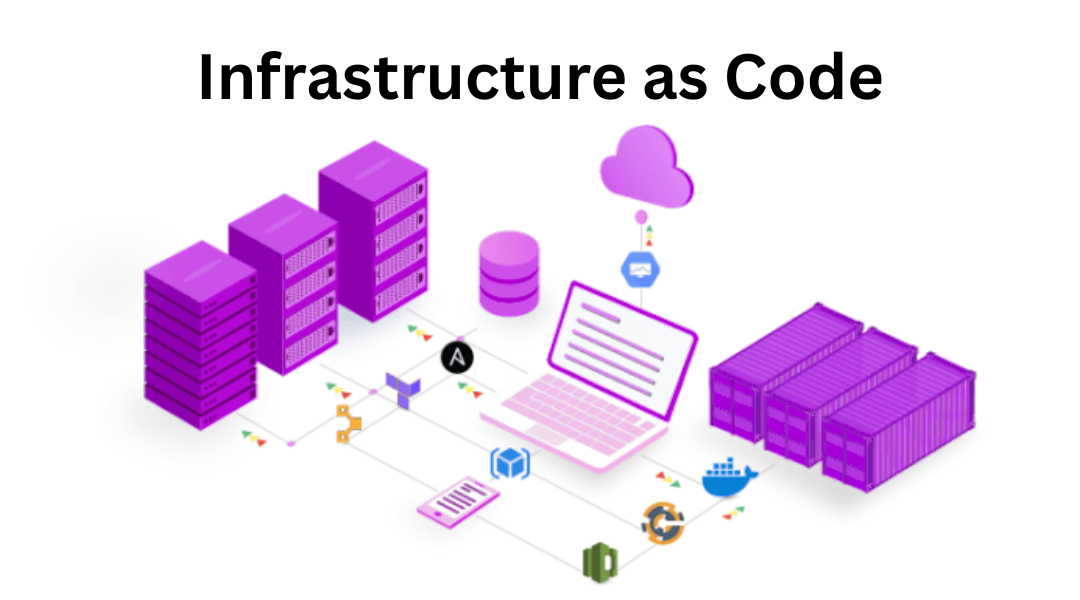
If you’re still manually setting up environments, I’ve got news for you: there’s a better way. Defining environments using configuration files lets me replicate, version, and destroy setups with zero guesswork.
I lean on automation tools like Terraform and Pulumi to create consistent, testable environments. The real win? I don’t have to remember what button I clicked three months ago.
CI/CD: Your Automation Backbone
A dependable integration and deployment pipeline is the difference between chaos and calm. These workflows let me catch errors early and deploy changes confidently.
Tools such as GitLab CI or Jenkins are excellent for automating everything from builds to rollbacks. I often combine them with static analysis and automated tests to maintain quality without slowing down the release cycle.
Test Early, Sleep Better
Testing doesn’t have to be scary. In fact, starting early with automated test cases (unit, integration, etc.) has saved me from plenty of late-night surprises. With platforms like LambdaTest, I can run tests in parallel across environments and browsers.
“Shift-left” testing means I break less stuff—and fix things faster when I do.
Containers and Orchestration: Clean, Portable, and Scalable
Gone are the days of “works on my machine” excuses. Packaging apps with Docker ensures consistent environments from local dev to production.
When it’s time to scale, Kubernetes is my go-to. It manages container lifecycles, load balancing, and rolling updates like a pro. A bit of a learning curve, yes—but absolutely worth it.
Managing Cost Without Sacrificing Performance

Using cloud infrastructure means you only pay for what you use… unless you forget to turn something off. I’ve learned (the hard way) to monitor usage and automate shutdowns for idle resources.
Strategies like auto-scaling and budget alerts keep surprises to a minimum. For those running large workloads, I suggest reviewing reserved capacity or spot instances regularly.
My post on cloud DevOps efficiency shares more practical tips here.
Bake Security into the Workflow
Security isn’t a step at the end—it’s part of the entire pipeline. I integrate scanning tools into every phase of the process to catch vulnerabilities before they reach production.
Think of it like brushing your teeth: boring, repetitive, but completely necessary. Secrets management tools, limited-access roles, and frequent audits are part of my daily routine.
More on this in my blog on overcoming adoption challenges.
Monitoring and Logging: Because Things Break
Even the best systems fail occasionally. Good monitoring can turn a 4-hour fire drill into a 4-minute fix. I use Prometheus or Datadog to track metrics, set alerts, and visualize performance trends.
And logging? Not glamorous, but essential. The moment something weird happens in production, logs are my best friends.
Chaos Engineering: Break Things Intentionally
Sounds counterintuitive, right? But simulating failure helps teams prepare for real-life outages. Whether it’s killing pods, simulating latency, or cutting off access—controlled chaos teaches resilience.
Gremlin is one tool I use to run safe, targeted failure experiments. Bonus: it gives ops teams peace of mind (and fewer gray hairs).
Documentation: Yes, It’s Worth Your Time

I used to skip documentation. Then I had to fix someone else’s project with zero notes… never again. Keeping technical docs simple, current, and accessible makes a huge difference when onboarding or troubleshooting.
Markdown and Git are my go-tos. No frills, just clear explanations of what’s what.
What’s Coming Next? (Spoiler: It’s Not Slowing Down)
If you’re thinking today’s tech stack is “future-proof,” I admire your optimism. But seriously—things move fast.
What I’m seeing on the horizon:
- Serverless is gaining ground for lightweight workloads.
- GitOps is maturing and streamlining infrastructure changes.
- Platform engineering is becoming more popular as internal tooling improves.
Need a refresher on transitioning legacy systems into this world? Check out my article on DevOps and modernization.
Build for Change, Not Just Speed

DevOps and cloud-native systems give us the tools (and flexibility) to respond quickly to evolving needs. But no tool can fix bad habits. That’s why I focus on process, communication, and consistent improvement.
Pick one area from this list. Improve it. Then move to the next. You don’t need to implement everything at once—just consistently move in the right direction.
And if your team’s stuck on what to improve first, revisit the basics. Code your infrastructure. Automate your pipeline. Monitor your stack. Secure everything.
You’re not just building software—you’re building resilience.
